Tracing Cross-Platform Reward Synchronization in Regulated Mobile Gaming Ecosystems
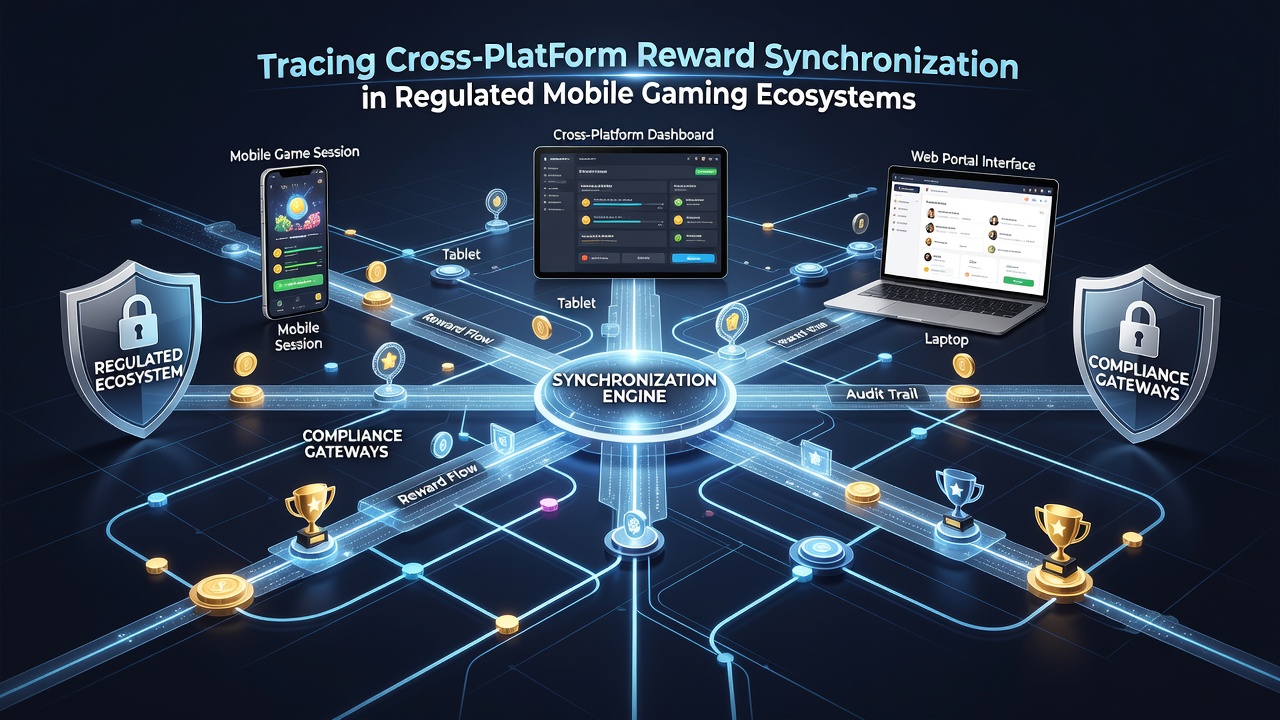 Cross-platform reward synchronization allows players to maintain consistent access to bonuses, loyalty points, and promotional credits across mobile devices and desktop interfaces within regulated gaming environments. Operators achieve this through centralized databases that update in real time whenever a user completes qualifying activities such as placing wagers or achieving milestones in slot or table game sessions. Data packets travel via secure APIs that connect player accounts to backend systems managed by licensed providers in jurisdictions like Nevada and New Jersey. Technical protocols rely on timestamped transaction logs that record every reward accrual event. These logs feed into synchronization engines designed to prevent duplication or loss during device switches. When a player logs in from a new mobile application, the system queries the central server and reconciles the account state within milliseconds. Studies from industry research groups show that latency below 200 milliseconds keeps the experience seamless for users who alternate between smartphones and tablets during a single session.
Core Synchronization Architectures
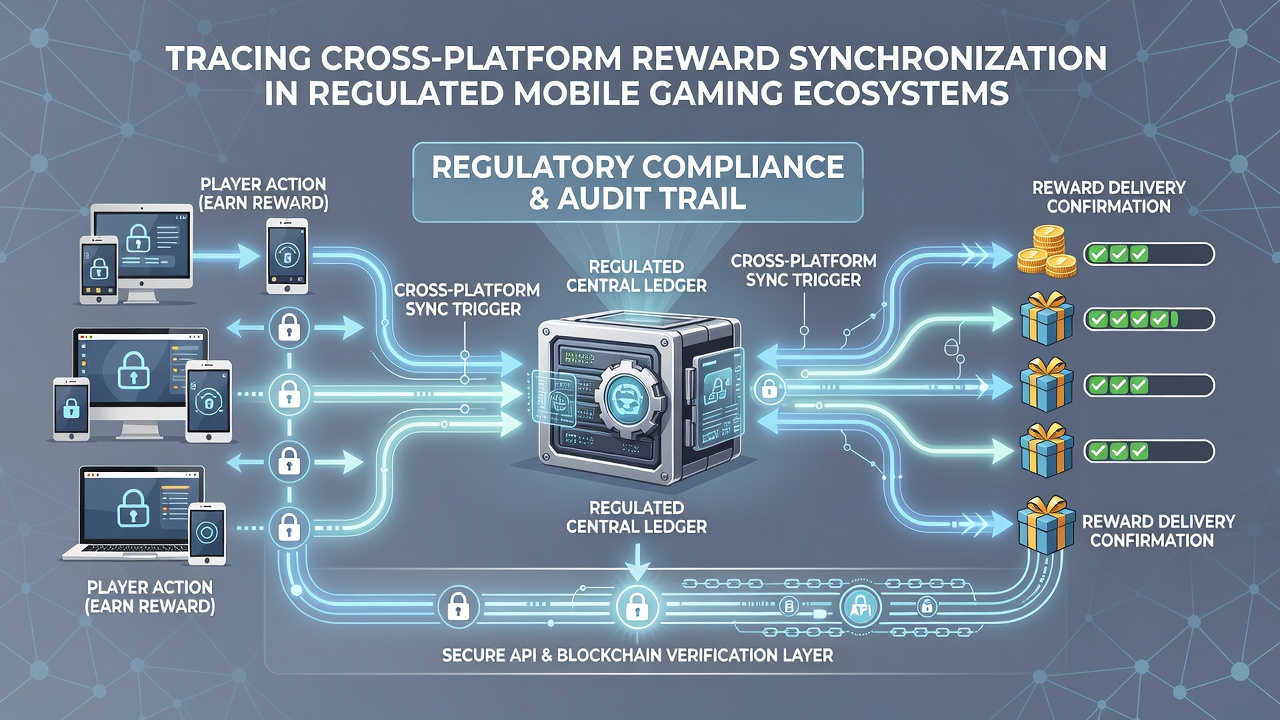
Developers implement event-driven architectures where each reward-triggering action generates a message that the central ledger processes immediately. Message queues handle peak loads during promotional periods, ensuring that accumulated playtime and tiered perks remain accurate regardless of access point. Regulators require audit trails for these messages so that compliance officers can verify fair distribution of welcome offers and ongoing loyalty incentives.
Encryption standards protect the data in transit and at rest. AES-256 protocols combined with token-based authentication prevent unauthorized access to player balances while allowing seamless handoffs between platforms. Observers note that multi-factor verification steps add layers of security without interrupting the flow of information between the mobile client and the operator's servers.
Regulatory Requirements Across Jurisdictions
State gaming commissions mandate that synchronization mechanisms comply with data integrity rules and player protection standards. In regions such as Pennsylvania and Michigan, operators must demonstrate that reward balances remain consistent and that no player receives duplicate credits due to platform switching. Documentation submitted during licensing reviews includes diagrams of data pathways and test results from simulated cross-device scenarios.
European markets apply additional layers through data protection regulations that govern how personal gaming data moves between devices and servers. Operators serving multiple countries maintain separate synchronization instances that respect local storage requirements while still providing unified player experiences within each licensed market. Figures from regulatory filings indicate rising investment in these systems as mobile participation grows through 2026.
Integration Patterns in Mobile Ecosystems
Payment gateway connections intersect with reward systems when deposits trigger instant bonus credits. Synchronization engines check the status of these credits across sessions so that partial redemptions on one device reflect accurately on another. Industry associations track adoption rates of standardized APIs that reduce custom development time for smaller operators entering regulated markets.
Case examples from established providers reveal that modular microservices handle specific reward types such as free spins or cashback percentages. Each service communicates through a central orchestration layer that maintains a single source of truth for player progress. This structure supports rapid updates when new game titles or promotional mechanics enter the catalog.
Challenges in Maintaining Consistency
Network variability on mobile connections creates occasional reconciliation needs after temporary disconnections. Systems employ retry mechanisms and conflict-resolution algorithms that prioritize the most recent verified transaction. Technicians monitor error rates through dashboards that flag anomalies for immediate review by compliance teams.
June 2026 projections from market analysts point to expanded use of edge computing nodes that bring synchronization logic closer to regional data centers. Such placements aim to reduce round-trip times for players in remote areas while preserving centralized oversight required by licensing authorities.
Future Developments in Traceability
Blockchain-based logging appears in pilot programs that create immutable records of reward movements. These records allow regulators to trace every credit from issuance through redemption without relying solely on operator-maintained databases. Early implementations focus on high-volume loyalty programs where accumulated playtime determines tier status across multiple game formats.
Academic papers examining synchronization efficiency highlight the role of machine learning models that predict peak usage periods and pre-allocate server resources accordingly. These models draw on historical transaction volumes to maintain performance during live events or tournament windows that span multiple time zones.
Conclusion
Cross-platform reward synchronization continues to evolve alongside advances in mobile infrastructure and regulatory oversight. Centralized ledgers, encrypted APIs, and standardized protocols form the backbone of systems that deliver consistent experiences for players who switch devices frequently. Ongoing investments in traceability tools ensure that operators meet compliance obligations while supporting growth in regulated mobile gaming markets worldwide.