The Interplay Between Artificial Intelligence and Random Outcome Generation in Modern Gaming Software
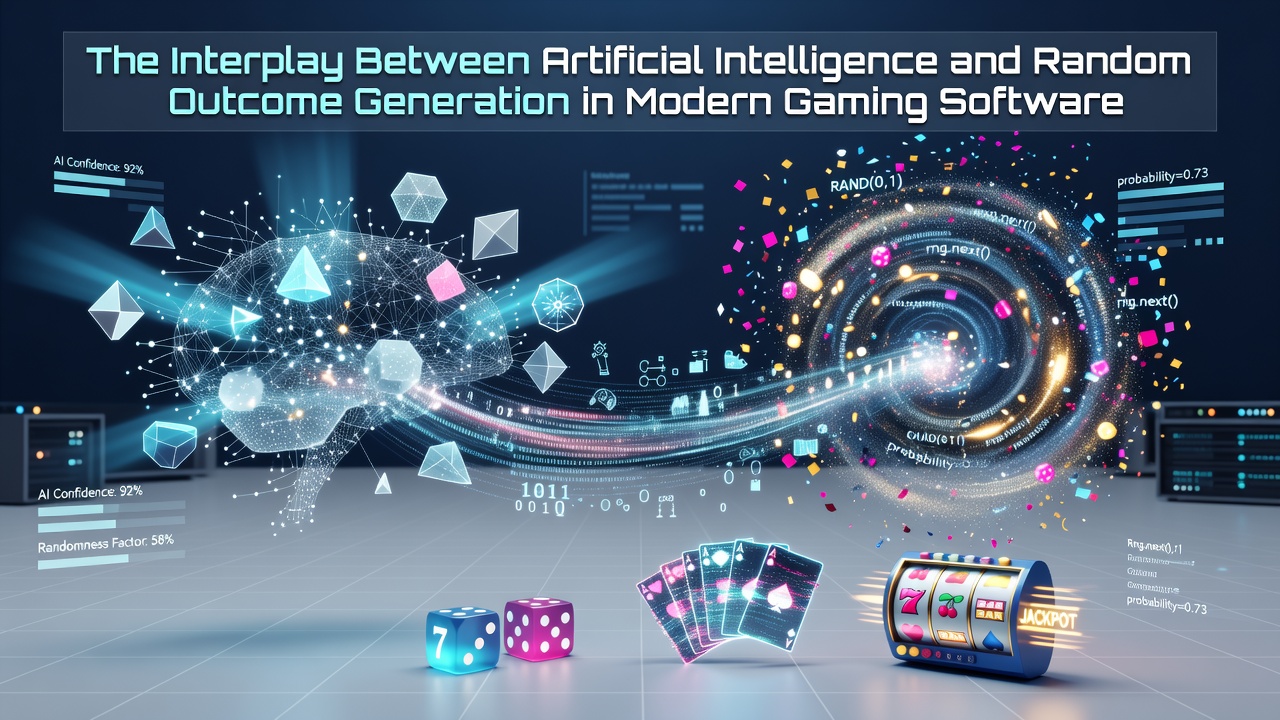
Modern gaming software relies on random outcome generation to create unpredictable results in everything from video game levels to digital card draws, and artificial intelligence has become a key component in refining how those systems operate. Developers integrate AI models that monitor, test, and sometimes enhance random number generators while maintaining the core requirement of statistical fairness across millions of player sessions.
Core Mechanics of Random Outcome Generation
Random number generators in gaming software fall into two broad categories: hardware-based true random number generators that draw from physical entropy sources such as thermal noise, and software-based pseudo-random number generators that use deterministic algorithms seeded with initial values. Both approaches must pass rigorous statistical test suites before regulators approve titles for public release, and certification bodies examine output distributions to confirm uniformity and independence between successive values.
Studies conducted by research institutions show that pseudo-random methods dominate consumer platforms because they deliver consistent performance across devices while still meeting required randomness thresholds when implemented correctly. Hardware solutions appear more frequently in high-stakes environments where additional entropy layers reduce theoretical predictability risks.
Integration of Artificial Intelligence into RNG Systems
Artificial intelligence enters the picture through multiple pathways. Machine learning models analyze large datasets of generated sequences to identify subtle correlations that traditional statistical tests might miss, allowing studios to adjust algorithm parameters during development. Reinforcement learning agents have been deployed in controlled environments to simulate player behavior and stress-test RNG outputs under varying load conditions.
Pattern recognition capabilities also help studios verify that random outcome systems remain unbiased after software updates or hardware migrations. When developers push patches that alter game logic, AI-driven monitoring tools compare pre- and post-update distributions to confirm continuity in expected probabilities.
Applications Across Game Genres and Platforms
Action titles use procedural generation techniques where AI algorithms combine with random seeds to produce unique environments, enemy placements, and loot distributions each time a player starts a new session. Role-playing games apply similar methods to quest structures and item attributes, creating replayability without manual level design for every variation.
Multiplayer online games incorporate AI oversight to detect anomalies that could indicate compromised random systems or external interference attempts. These detection layers operate alongside traditional logging mechanisms and trigger alerts when deviation thresholds are exceeded.
Regulatory and Testing Considerations Through Mid-2026
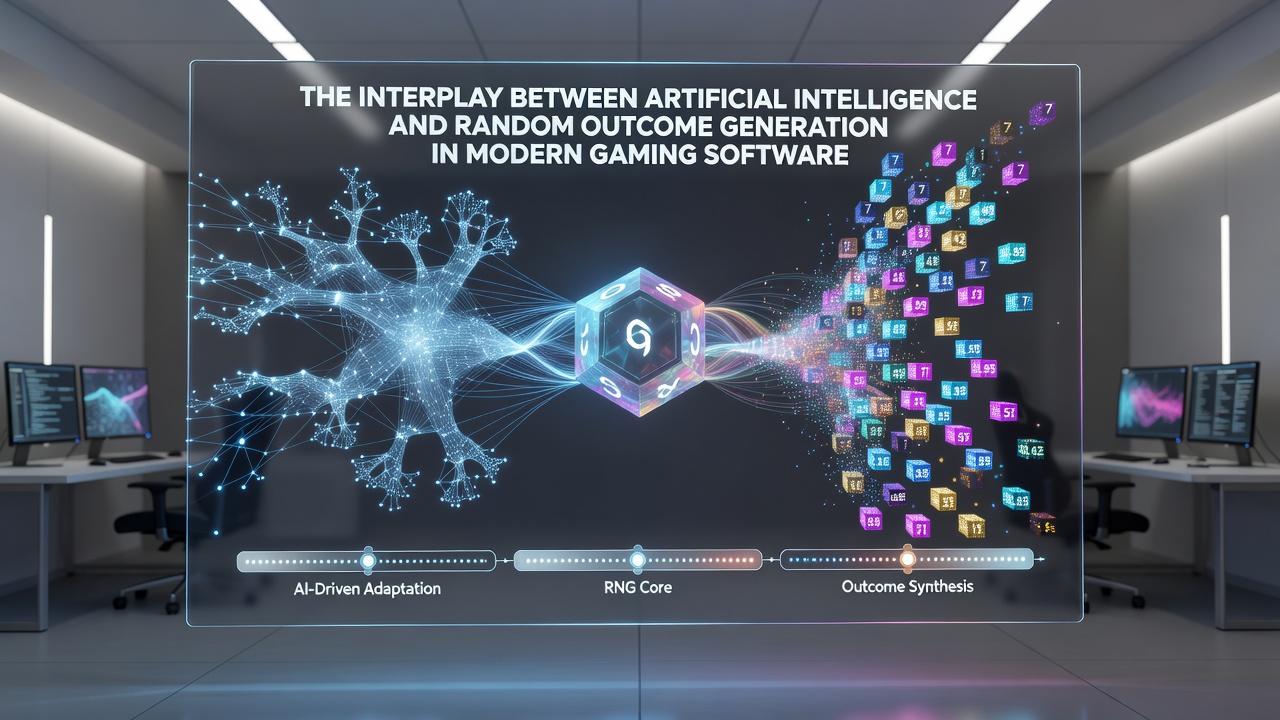
Regulatory frameworks in multiple jurisdictions require independent evaluation of both RNG components and any AI layers that interact with them. Data released in June 2026 from North American testing laboratories indicated continued growth in submissions involving adaptive random systems, reflecting broader industry adoption of machine learning tools during certification cycles.
Standards organizations such as those affiliated with the National Institute of Standards and Technology provide updated guidelines that address entropy sources and post-processing techniques used in modern implementations. European testing houses have aligned some of their evaluation criteria with these evolving benchmarks to streamline cross-border approvals.
Technical Challenges and Mitigation Strategies
One persistent challenge involves ensuring that AI components themselves do not introduce deterministic patterns into otherwise random sequences. Developers address this through isolation layers that separate decision-making models from the core RNG pipeline, allowing independent verification of each subsystem. Continuous integration pipelines now include automated randomness audits that run after every code commit.
Performance overhead represents another consideration, particularly on mobile platforms where computational resources remain limited. Lightweight neural networks and optimized inference engines have reduced the resource footprint while preserving analytical accuracy during real-time monitoring.
Future Directions in Combined Systems
Research groups at several universities continue to explore hybrid architectures that leverage quantum-inspired algorithms alongside classical RNG methods. Early prototypes suggest potential improvements in entropy harvesting efficiency, though widespread commercial deployment remains several development cycles away.
Industry reports from organizations tracking software trends note increasing collaboration between academic researchers and game studios on open-source toolkits designed to standardize AI-assisted randomness testing. These efforts aim to reduce duplication of validation work across different development teams.
Conclusion
The relationship between artificial intelligence and random outcome generation continues to evolve as gaming software grows more complex. AI tools provide enhanced verification capabilities and support procedural content creation, while RNG systems supply the foundational unpredictability that players expect. Ongoing refinement of testing protocols and cross-industry standards helps maintain the integrity of these combined technologies across global markets.