Payment Gateway Integration Patterns Across Mobile Slot and Table Game Platforms
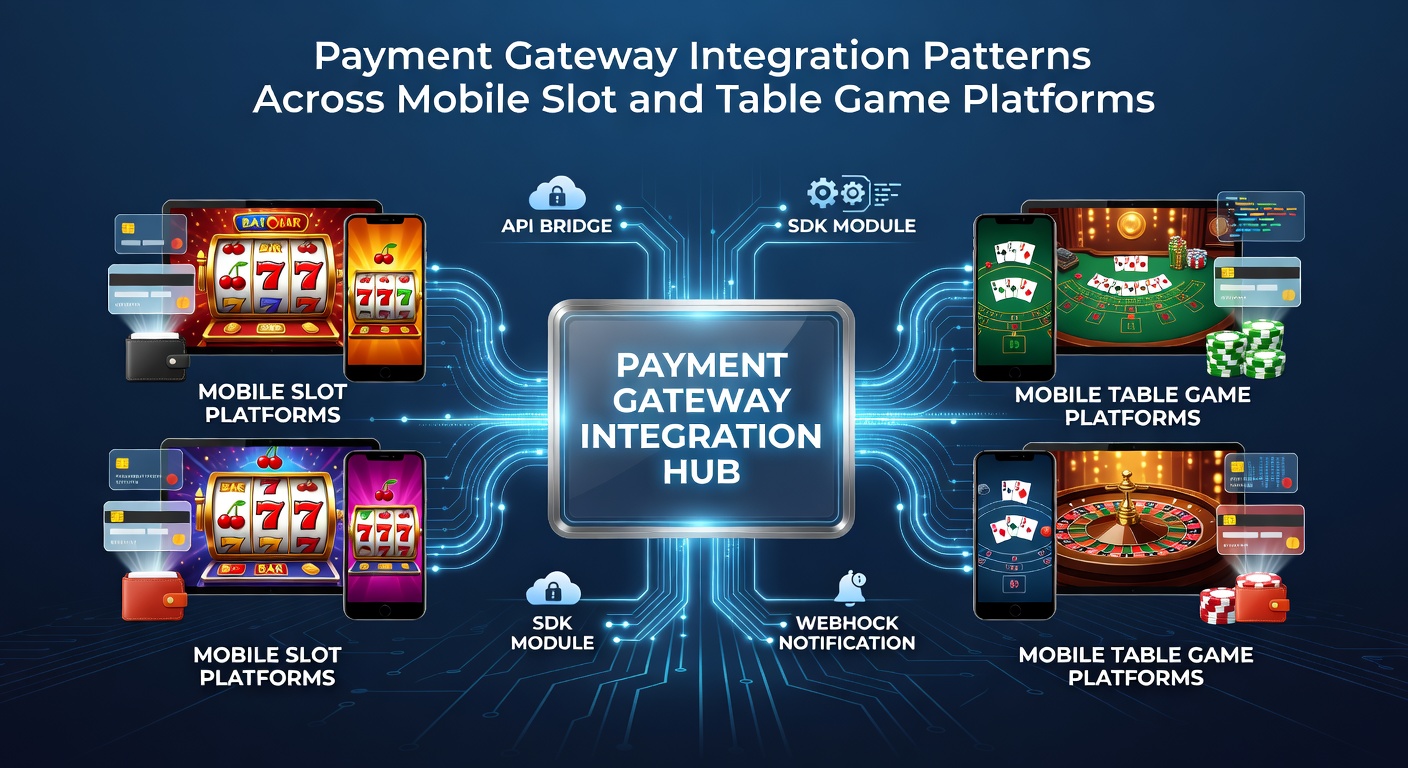 Payment gateway integration patterns have evolved significantly as mobile platforms host both slot sequences and table game sessions, with developers focusing on seamless API connections that handle real-time authorization across varying device architectures. These patterns typically include direct bank transfers, digital wallet embeddings, and tokenized card processing, all optimized to reduce latency during gameplay transitions. Data from industry reports shows that mobile slots often rely on lightweight RESTful APIs for quick spin initiations, whereas table games incorporate more robust WebSocket protocols to manage ongoing bet placements and dealer interactions without interruptions. Observers note that hybrid integration approaches have gained traction by May 2026, allowing platforms to switch between payment rails based on transaction volume and user location. For instance, one common pattern involves embedding payment libraries directly into the game client, which enables instant verification while maintaining compliance with regional licensing standards. This setup contrasts with server-side orchestration models where the gateway routes requests through a central processing hub before confirming funds, a method frequently applied to high-stakes table sessions that require additional fraud checks.
Core Integration Architectures
Platform operators deploy several distinct architectures to connect payment gateways with mobile environments. The most prevalent remains the plugin-based system, where standardized modules from providers like Stripe or Adyen slot into existing game engines without requiring full codebase overhauls. Another architecture uses microservices that separate payment logic from core gaming functions, permitting independent scaling during peak periods such as weekend tournaments.
Those who've studied these systems point out that event-driven patterns prove effective for table games because they trigger payment confirmations alongside each betting round, while slot platforms favor batch processing to accumulate smaller transactions before settlement. Research indicates that such differences stem from gameplay tempo, with slots generating numerous low-value interactions compared to the fewer but larger exchanges in poker or blackjack mobile variants.
Security Protocols and Compliance Layers
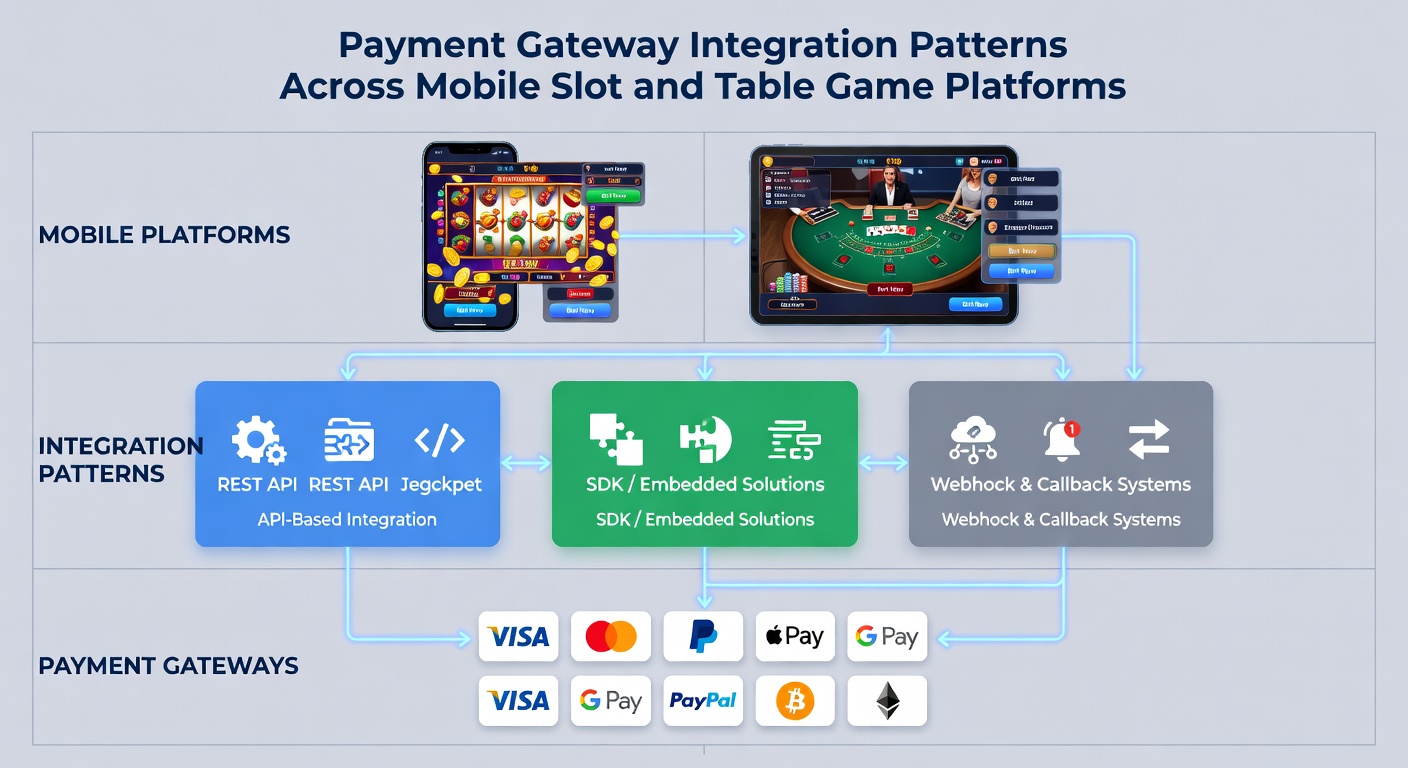 Security remains central to every integration pattern, with end-to-end encryption applied uniformly across mobile slots and table platforms. Tokenization replaces sensitive card details at the gateway level, and multi-factor authentication layers activate for withdrawals exceeding certain thresholds. According to statistics released by the iGaming Ontario regulator, these measures have contributed to measurable reductions in unauthorized access attempts on licensed mobile applications.
Compliance frameworks further shape integration choices, as operators must align with jurisdiction-specific rules that dictate data storage locations and audit trails. In regions like New Jersey, platforms integrate with state-monitored systems that log every transaction in real time, a requirement that influences whether gateways operate through cloud-based or on-premise servers. European operators meanwhile incorporate additional consent mechanisms under GDPR, which affects how payment data flows between mobile clients and backend processors.
Regional Variations in Implementation
Patterns differ notably by market, with North American platforms emphasizing PCI-DSS certification alongside local gaming board approvals, while Asian markets often prioritize integration with regional e-wallets such as those popular in Singapore and Malaysia. Australian operators have adopted patterns that support instant bank transfers through the New Payments Platform, reducing settlement times for both slot wins and table game payouts.
What's interesting is how these regional differences create distinct user experiences, as one study from a Canadian research institution revealed variations in average transaction completion times across platforms serving different continents. Mobile slot users in high-speed network areas benefit from accelerated checkouts, whereas table game environments in regulated markets incorporate extra verification steps to meet stricter oversight standards.
Emerging Trends as of May 2026
By May 2026, cryptocurrency gateway integrations have appeared more frequently in mobile offerings, particularly for cross-border players who prefer digital assets over traditional banking routes. These patterns often combine blockchain verification with traditional fiat gateways, creating fallback options during network congestion. Observers have documented increased adoption of AI-driven fraud detection within payment flows, where machine learning models analyze betting patterns alongside transaction metadata to flag anomalies before they affect gameplay.
Table game platforms have started experimenting with unified payment sessions that persist across device switches, allowing players to maintain an active balance when moving from phone to tablet without re-authenticating. Slot integrations, by comparison, focus on frictionless deposit flows that support one-tap purchases tied to in-game currency bundles.
Conclusion
Payment gateway integration patterns continue to adapt to the distinct demands of mobile slots and table games, driven by technical requirements, regulatory environments, and user expectations across global markets. As platforms refine these connections through updated APIs and security enhancements, the underlying architectures reflect ongoing efforts to balance speed, reliability, and compliance in an expanding digital landscape.